
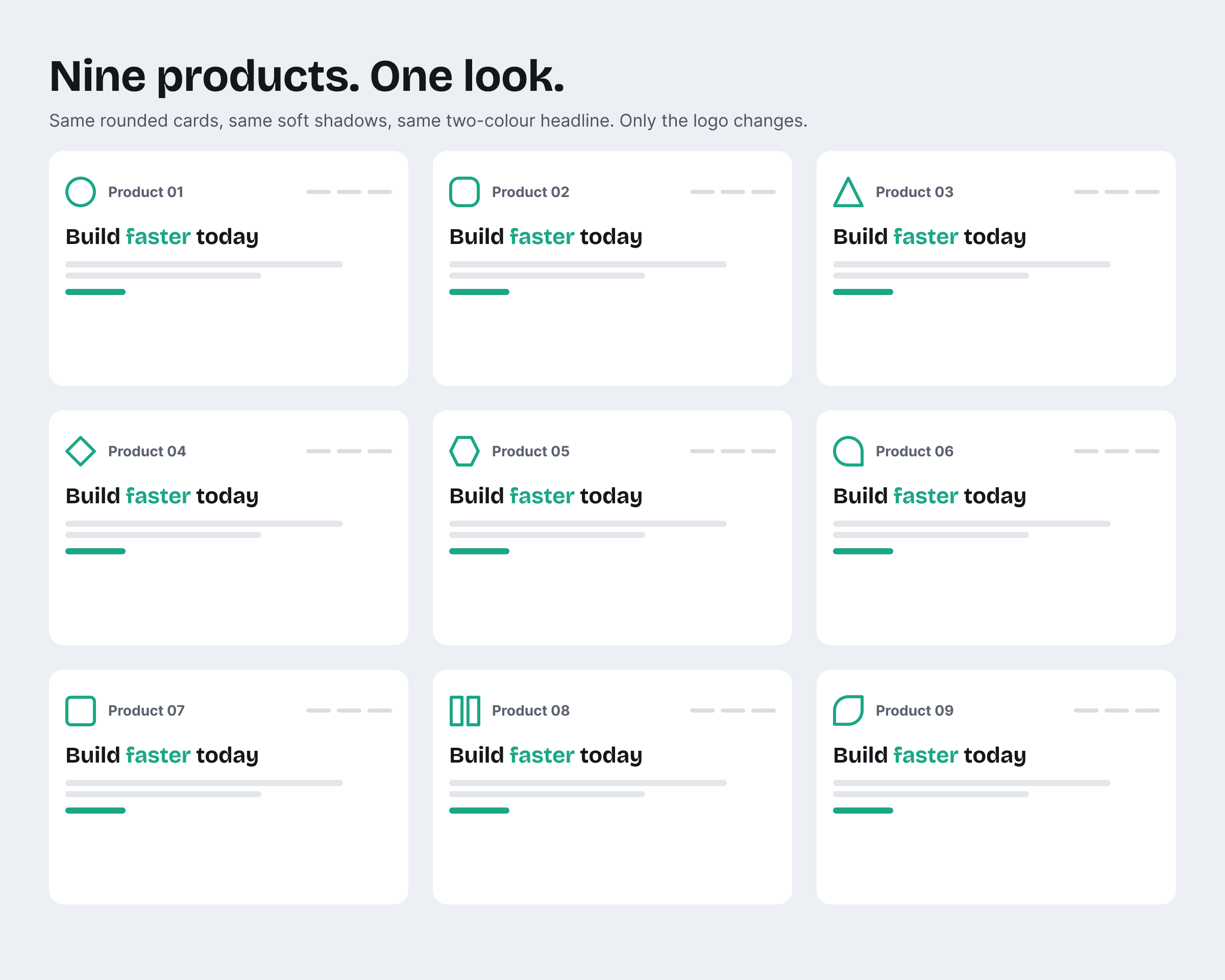
The design sameness tax and how to avoid it
Open five new software products launched this year. Rounded cards, soft shadows, a headline with one word in a second colour. Different logos, same experience.
AI made “good enough” design free for everyone. When everyone has the same good enough, nobody stands out. I call it the sameness tax, and it is paid later in trust, loyalty and hard numbers.
The way to be exempt is to treat AI as the new baseline and make deliberate choices above it. The designer is now a conductor, directing the orchestra with a fine hand.

When AI becomes your engineer: what happens to design?
I built my own to-do list last week and a personality quizz and a French learning app. As one does. Except I didn't write a single line of code. I just described what I wanted to an AI agent, pressed Allow a few times, and watched it happen. I was impressed while at the same time not at all as this still require some real effort to create a truly great tool or product.
The questions that haunt me now are:
- What do we do with a world full of half-decent apps?
- How does the design survive or evolve?
- And finally, are more apps really what we need?

Invisible business insurance by design
"Why reinvent the wheel when what we have works fine?"
"Our team is too small to spend time dreaming up impossible”
"While we’re spending time experimenting, we could ship a feature our customers could gain value from today”
When you hear "design innovation," what comes to your mind?

Let’s clear the pixel confusion
What size is your phone?
Ever looked at your analytics and seen users on 320px screens and thought, "Wait... who still has a 320px wide phone in 2025?"
The confusion is real, but it’s not what it looks like at first glance.

Perfect vs done
Imagine a birthday party: the guests are gathered, and the birthday song is about to begin. But the cake? It’s still being perfected in the kitchen: flawless frosting, intricate decorations, but tragically late.
In work and life, the same principle applies. Speed often holds more value than perfection.

NPS and beyond: create products that truly connect
As users, we experience products in real-time, not at the end of a quarter when a survey drops in our inbox. We want a simple, visible way to say: "Hey, something isn’t working for me."
NPS is a great starting point for this: numbers are a non-confrontational way to capture the emotions that open doors to dig deeper into the reasons and expectations behind them.

Think business before wireframes
Understanding what success means in business terms lays foundations to defining UX metrics that further guide design decisions and ultimately help to achieve the defined business objectives.

Align on principles for speed and impact
A design strategy isn’t just about visual consistency or having a design system - it’s about the values that guide how teams make choices. These aren’t just design questions; they are business decisions.